ជីវិតក្នុងទ្រុងដែក៖ ក្តីសង្ឃឹមមានឡើងវិញក្រោយទទួលបានការព្យាបាលត្រឹមត្រូវ


[English below] ជីវិតក្នុងទ្រុងដែក៖ ក្តីសង្ឃឹមមានឡើងវិញក្រោយទទួលបានការព្យាបាលត្រឹមត្រូវ
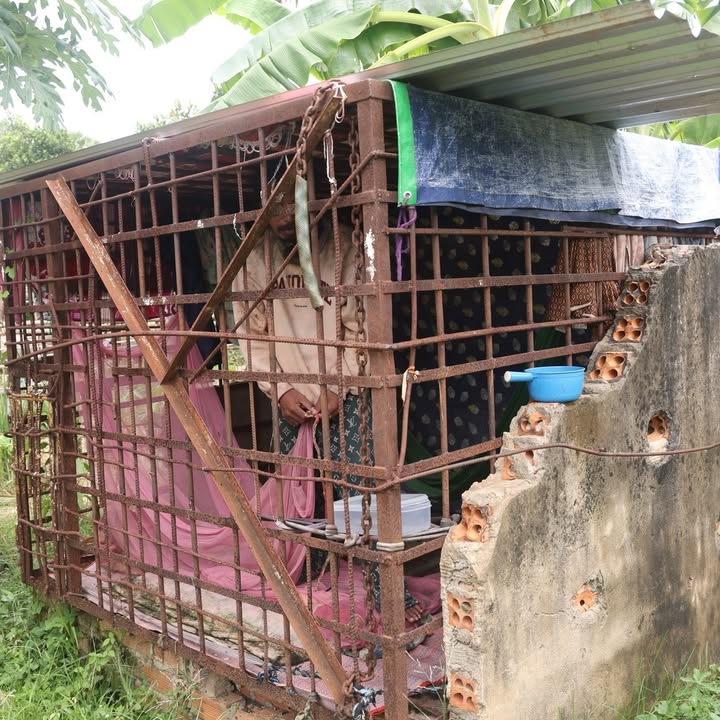
បុរសម្នាក់វ័យ ៤៤ឆ្នាំ ត្រូវបានគ្រួសារបង្ខាំងទុកនៅក្នុងទ្រុងដែកនៅខាងក្រោយផ្ទះ។ បើយោងតាមការរៀបរាប់របស់ម្តាយអ្នកជំងឺ មុនពេលឈានដល់ការដាក់ក្នុងទ្រុងដែកនេះ ដំបូងឡើយ គាត់ត្រូវបានដាក់ច្រវាក់ជើងប៉ុណ្ណោះ។ ប៉ុន្តែដោយសារអ្នកជំងឺចេះតែរកវិធីដោះច្រវាក់បាន ហើយតែងតែដើរវាយបំផ្លាញទ្រព្យសម្បត្តិអ្នកដទៃ រហូតធ្វើឲ្យម្តាយត្រូវខំរ៉ាប់រងសងសំណងគេរហូតធ្លាក់ខ្លួនខ្សត់ខ្សោយ ទើបសម្រេចចិត្តធ្វើទ្រុងដែកដើម្បីបង្ខាំងគាត់។ ទោះជាយ៉ាងណា សូម្បីតែនៅក្នុងទ្រុងដែកក៏អ្នកជំងឺនៅតែអាចហែកដែករត់រួច ដែលជាហេតុធ្វើឲ្យម្តាយត្រូវបន្ថែមច្រវាក់ជើងមួយជាន់ទៀត។ ប៉ុន្តែដោយសារគាត់នៅតែអាចហែកទ្រុងរត់បាន ទីបំផុតគ្រួសារក៏សម្រេចចិត្តដាក់ទ្រុងដែក និងដាក់ច្រវាក់កបន្ថែមទៀត។
អ្នកជំងឺបានធ្លាក់ខ្លួនមានបញ្ហាផ្លូវចិត្តធ្ងន់ធ្ងរតាំងពីអាយុ ១៧ឆ្នាំមកម៉្លេះ។ អាការដំបូងៗនាពេលនោះ គឺគាត់ចេះតែរត់ មិនសូវគេង ឈឺក្បាល ដើរក្រឡឹងជុំវិញផ្ទះនៅពេលយប់ និងដើរវាយបំផ្លាញរបស់របរអ្នកជិតខាង។ ពេលនោះ ម្តាយបាននាំគាត់ទៅព្យាបាលជាមួយគ្រូខ្មែរចំនួន ២នាក់ តែមិនមានការធូរស្បើយឡើយ។ បន្ទាប់មក ម្តាយក៏បាននាំគាត់ទៅទទួលការព្យាបាលនៅមន្ទីរពេទ្យ ដោយទទួលបានថ្នាំមកលេប ទោះជាយ៉ាងណា ថ្នាំនោះអាចជួយសម្រាលអាការបានត្រឹមតែមួយកម្រិតប៉ុណ្ណោះ។
នៅពេលក្រុមការងារអង្គការ TPO ចុះទៅដល់ផ្ទះផ្ទាល់ អ្នកជំងឺកំពុងអង្គុយនៅក្នុងមុង ដោយមិនបានចាប់អារម្មណ៍នឹងវត្តមានរបស់ក្រុមការងារឡើយ។ បន្ទាប់មក ក្រុមការងារបានព្យាយាមសាកសួរ ដើម្បីវាយតម្លៃពីកម្រិតសតិស្មារតីរបស់គាត់។ អ្នកជំងឺមានអាការៈឮសម្លេង និងមើលឃើញនូវអ្វីដែលមនុស្សទូទៅមើលមិនឃើញ (រវើរវាយ) ព្រមទាំងគេងមិនសូវលក់។ នៅពេលមានភ្លៀងធ្លាក់ ទាំងខ្លួនប្រាណ និងរបស់របរនៅក្នុងទ្រុងត្រូវទទឹកសើមជោគ ដោយសារដំបូលទ្រុងមានស័ង្កសីតែមួយផ្ទាំង មិនអាចបាំងថ្ងៃបាំងភ្លៀងបានល្អឡើយ។ គាត់ត្រូវបង្ខំចិត្តរស់នៅក្នុងទ្រុងដែកបែបនេះ អស់រយៈពេលជាច្រើនឆ្នាំមកហើយ។
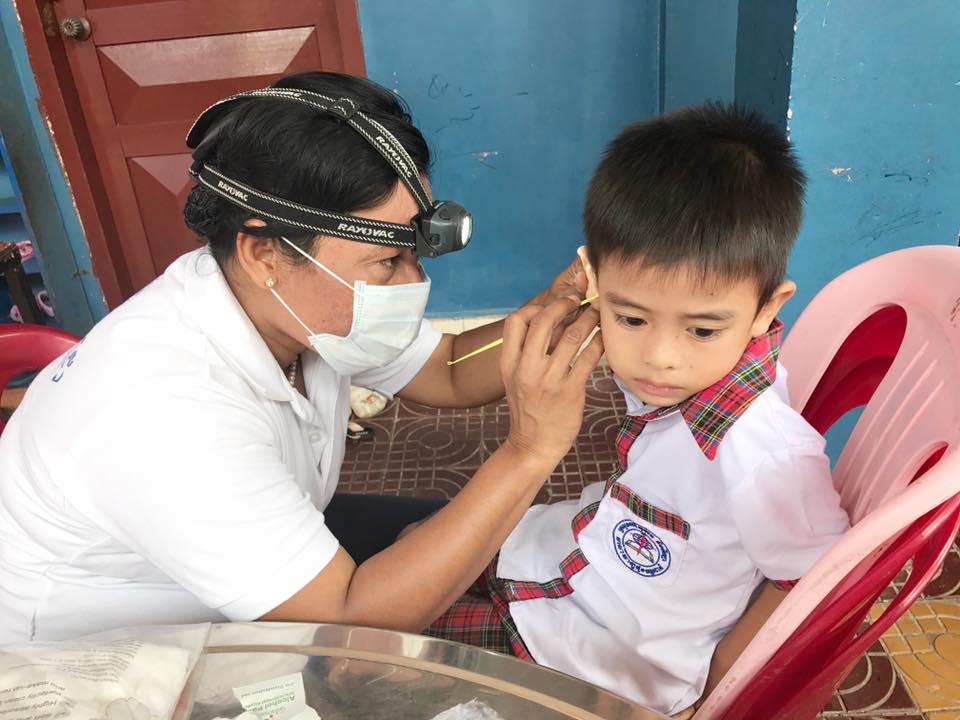
ក្រុមគ្រូពេទ្យព្យាបាលនៃអង្គការ TPO កម្ពុជា បានផ្តល់ការព្យាបាលដោយប្រើប្រាស់ឱសថ រួមទាំងធ្វើការអប់រំផ្សព្វផ្សាយដល់សាច់ញាតិ និងអ្នកជិតខាង ឱ្យបានយល់ដឹងកាន់តែច្បាស់អំពីអាការជំងឺ សារសំខាន់នៃការគាំទ្រ និងការថែទាំ ដែលជាកត្តាជួយបង្កើនប្រសិទ្ធភាពនៃការព្យាបាល។ រហូតមកដល់ពេលនេះ បន្ទាប់ពីទទួលបានការថែទាំប្រមាណជា ១ខែមក អ្នកជំងឺចាប់ផ្តើមមានសតិស្មារតីឡើងវិញខ្លះៗ និងអាចធ្វើការប្រាស្រ័យទាក់ទងបានខ្លះ។ សាច់ញាតិបានបង្ហាញពីក្តីសង្ឃឹមយ៉ាងខ្លាំងចំពោះភាពធូរស្បើយរបស់គាត់ បន្ទាប់ពីសង្កេតឃើញមានសញ្ញានៃការរីកចម្រើនជាវិជ្ជមានក្នុងរយៈពេល ១ខែនេះ។
Life in an Iron Cage: Hope Is Restored After Proper Treatment
A 44-year-old man was locked up by his family in an iron cage behind their house. According to his mother, before being placed in the cage, he was initially chained by his leg. However, as he constantly found ways to unlock the chains and destroyed others' property – forcing his mother into poverty to pay for the damages – she decided to build an iron cage to confine him. Continuous escape attempts forced the family to escalate their measures. Because he frequently broke the iron bars to escape, his mother added leg chains. When that still failed to hold him, the family ultimately resorted to locking him in the cage with an additional neck chain.
The patient has suffered from severe mental health issues since he was 17 years old. His early symptoms included running away aimlessly, insomnia, headaches, pacing around the house at night, and destroying neighbors' property. At that time, his mother took him to two traditional healers, but his condition did not improve. Later, she brought him to a hospital where he received medication, which provided only partial relief.
When the TPO treatment team arrived at his home, the patient was sitting inside a mosquito net, paying no attention to the team's presence. The team attempted to communicate with him to assess his mental state. He reported poor sleep, as well as hearing voices and seeing things that others could not. When it rained, his body and belongings inside the cage got wet because the top of the cage was covered only by a single sheet of zinc, which offered little protection from the sun and rain. He had been living in these conditions inside the iron cage for many years.
The medical treatment team from TPO Cambodia provided psychiatric medication alongside psychoeducation for his relatives and neighbors. This helped them better understand the condition and the critical importance of family and community support in enhancing treatment effectiveness. After receiving treatment for a month, the patient has begun to regain insight and can engage in basic communication. His relatives expressed great hope for his recovery after observing these positive signs of progress.